
How do virtual nursing assistants work? Learn how they operate, from patient admission to discharge, and how they support nurses, patients, and hospitals.
Every healthcare provider knows this struggle: the more time you spend on paperwork, the less time you have for patients.
Healthcare systems today feel that strain.
According to the U.S. Bureau of Labor Statistics, employment for registered nurses is projected to grow by 6% between 2023 and 2033, adding nearly 189,100 jobs each year.
At the same time, many hospitals continue to face staffing shortages and rising patient demands.
To help close these gaps, healthcare organizations are adopting technology-supported care models.
One solution gaining attention is the use of a virtual nursing platform that allows experienced nurses to support patients remotely while helping bedside teams manage their workloads more effectively.
If you’ve ever wondered how do virtual nursing assistants work, the answer involves a combination of skilled healthcare professionals, secure technology, and well-designed workflows that support patient care from admission through discharge.
What Is a Virtual Nursing Assistant?
A virtual nursing assistant is a licensed nurse who provides support remotely through secure video and communication systems.
Unlike bedside nurses, who provide hands-on care, virtual nurses focus on tasks that can be completed remotely.
They communicate with patients, review medical information, provide education, and coordinate care with hospital staff.
Hospitals use virtual nursing assistants to:
- Improve patient communication
- Reduce administrative workload
- Support care coordination
- Increase nursing efficiency
- Enhance patient experiences
The goal is not to replace nurses.
Instead, virtual nursing assistants help healthcare teams work more efficiently while maintaining high standards of care.
How Virtual Nursing Assistants Support Patient Admission
One of the most important parts of patient care begins when a patient arrives at the hospital.
When people search for how do virtual nursing assistants work, admission support is one of the clearest examples.
During admission, a virtual nurse may:
- Review the patient medical history
- Verify medications
- Explain hospital procedures
- Collect important health information
- Answer patient questions
This process helps bedside nurses focus on immediate clinical needs while ensuring patients receive the information they need.
Many hospitals report that admission workflows become more consistent when virtual nursing support is available.
The Technology Behind Virtual Nursing
Virtual nursing depends on several technologies working together.
These systems often include:
- Secure video communication
- Electronic health records (EHRs)
- Remote monitoring tools
- Clinical communication systems
- Patient engagement software
A modern virtual care platform enables nurses to securely access patient information while communicating with patients and healthcare teams in real time.
The American Hospital Association notes that virtual care models continue expanding because they improve access to healthcare services and support workforce needs.
Security is also critical.
Healthcare organizations use encrypted systems and strict privacy protocols to protect patient information.
Supporting Patients Throughout Their Hospital Stay
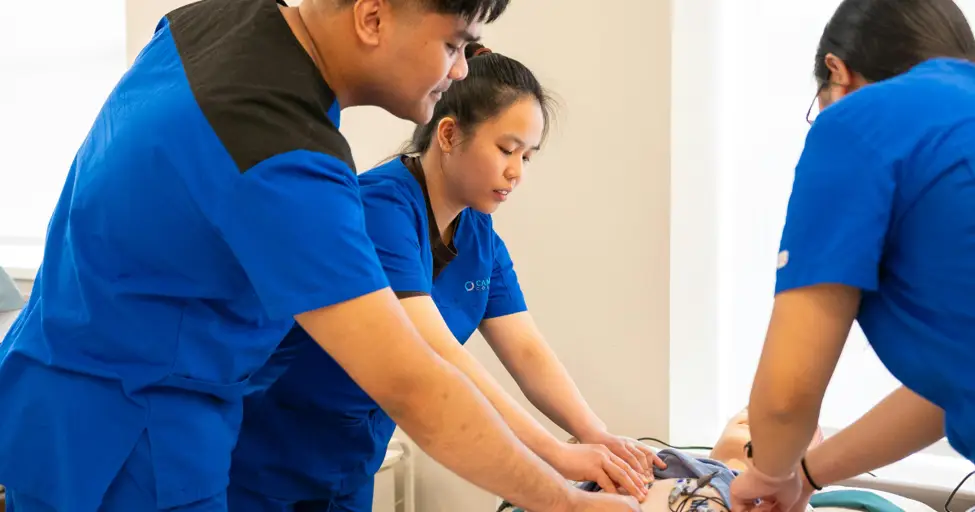
Virtual nurses remain involved long after admission.
Throughout a patient’s stay, they may provide:
- Medication education
- Treatment explanations
- Care plan reviews
- Family communication support
- Answers to non-urgent questions
This is where virtual nursing services create value for both patients and healthcare staff.
Patients often feel more informed when they have access to a nurse who can explain complex information in simple language.
At the same time, bedside nurses gain more time for direct patient care activities that require physical presence.
How Virtual Nursing Assistants Help Nurses
Nurse burnout remains a major concern across healthcare.
A 2025 nursing workforce report from the National Council of State Boards of Nursing found that workforce pressures continue affecting hospitals nationwide.
This is another reason healthcare leaders are asking how virtual nursing assistants work and whether they can help improve workflows.
Virtual nursing assistants often support bedside teams by handling:
- Documentation reviews
- Patient education
- Admission interviews
- Discharge instructions
- Routine communication tasks
By shifting these responsibilities to remote nurses, healthcare organizations can reduce interruptions and improve efficiency.
Many bedside nurses report that having support with administrative tasks allows them to spend more meaningful time with patients.
The Growing Role of Virtual Patient Care
Healthcare is no longer limited to face-to-face interactions.
Today, virtual patient care plays an important role in delivering services across hospitals, clinics, and home care settings.
Patients increasingly expect convenient access to healthcare information and support.
Virtual nursing helps meet these expectations by providing:
- Faster communication
- Better care coordination
- Improved patient education
- More consistent follow-up
As technology improves, virtual care models are becoming a regular part of healthcare delivery.
Where does a healthcare virtual assistant fit in?
A healthcare virtual assistant serves a different but complementary role.
While virtual nurses focus on clinical responsibilities, assistants often help with administrative functions such as:
- Scheduling appointments
- Sending reminders
- Managing records
- Coordinating communications
- Supporting patient inquiries
Together, virtual nursing assistants and healthcare virtual assistants help create smoother patient experiences.
These support systems allow healthcare professionals to focus more on care delivery rather than paperwork and repetitive tasks.
Benefits and Challenges of Virtual Nursing
Like any healthcare innovation, virtual nursing offers both advantages and challenges.
Benefits
Improved Patient Education
Patients have more opportunities to ask questions and receive clear explanations.
Better Workflow Efficiency
Nurses can divide responsibilities more effectively.
Enhanced Communication

Patients, families, and healthcare teams stay better informed.
Reduced Administrative Burden
Remote support helps manage time-consuming tasks.
Challenges
Technology Adoption
Staff members require training to use new systems effectively.
Internet and Equipment Reliability
Technical issues can affect communication.
Workflow Adjustments
Hospitals must carefully integrate virtual nursing into existing processes.
Despite these challenges, many healthcare organizations continue expanding virtual nursing programs because of their long-term potential.
The future of virtual healthcare management
The future of healthcare will likely involve even greater use of technology.
Industry reports from Deloitte suggest that digital healthcare investments continue growing as organizations seek better ways to improve efficiency and patient outcomes.
As virtual healthcare management evolves, hospitals may adopt:
- AI-assisted documentation
- Advanced patient monitoring
- Predictive analytics
- Expanded remote care services
These tools will help healthcare teams make informed decisions while improving patient experiences.
The question is no longer whether virtual nursing will remain part of healthcare.
The focus is now on how these programs can continue improving care delivery.
Conclusion
Healthcare organizations face increasing pressure to provide high-quality care while managing staffing challenges and growing patient needs.
Understanding how do virtual nursing assistants work helps explain why hospitals are investing in these programs.
As technology continues advancing, virtual nursing platforms will likely become an even more important part of modern healthcare.
When combined with skilled professionals and thoughtful implementation, virtual nursing creates opportunities to improve care for both patients and providers.